Google UCP Turns Product Feeds Into AI Shopping Infrastructure
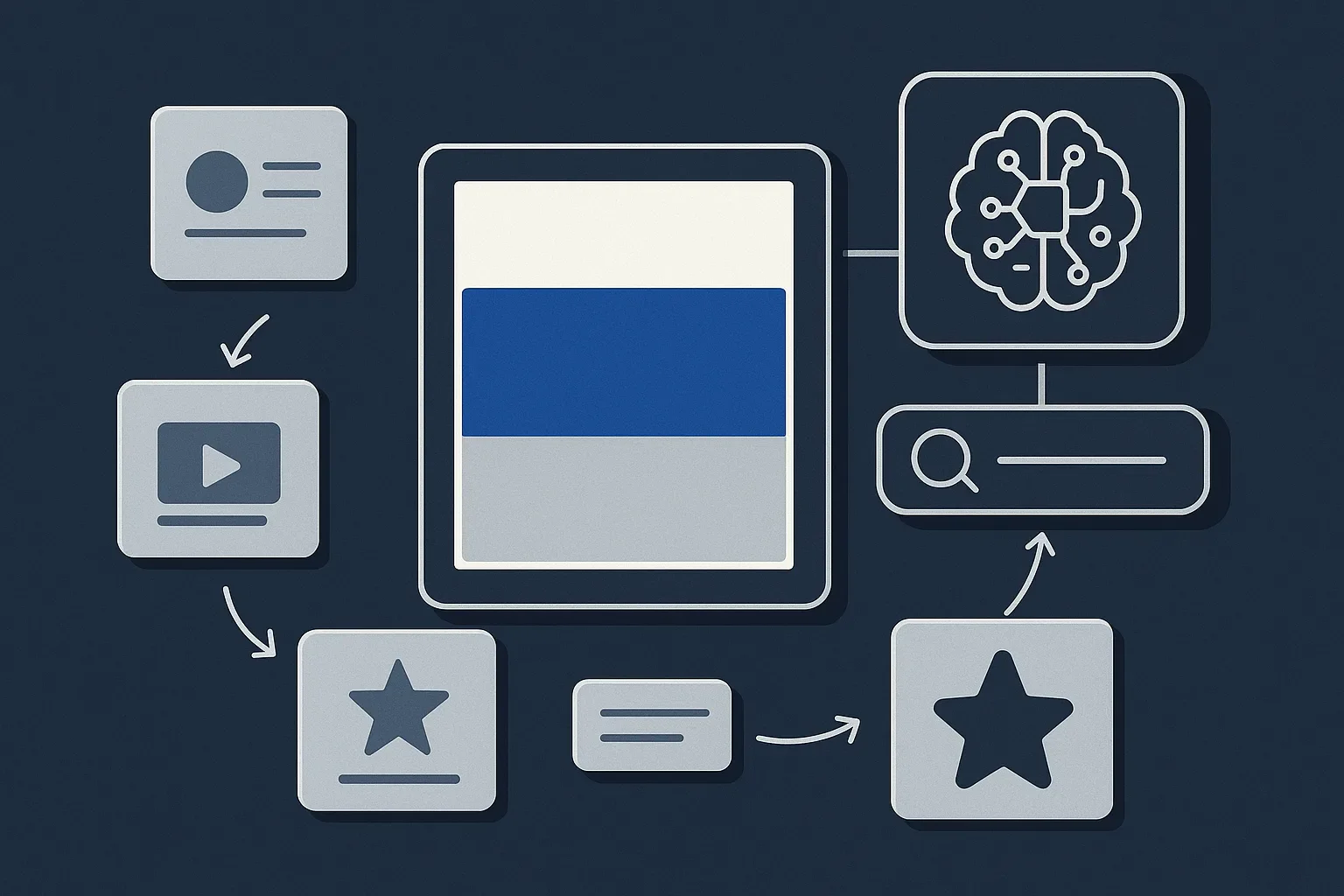
Google is quietly turning merchant data into AI shopping infrastructure.
The important shift is not just that Google keeps improving Merchant Center. It is that the company is building a protocol layer, the Universal Commerce Protocol (UCP), that makes product data, checkout capabilities, and identity linking more portable across agentic shopping experiences. Once that layer exists, product feeds stop being a back-office catalog task and become a visibility asset for AI-driven discovery.
For marketers, retailers, and ecommerce operators, that changes the job. The question is no longer just whether your products are eligible for Shopping results. The question is whether your commerce data can be reliably understood, trusted, and acted on by AI systems.
Why UCP matters beyond product listings
Google’s own developer documentation describes UCP as a capability framework for commerce interactions such as identity linking, authenticated actions, and checkout-related permissions. In plain English, Google is not only indexing products. It is defining how platforms and businesses can exchange the signals needed to complete shopping tasks across AI surfaces.
That matters because AI shopping assistants do not work well with thin or ambiguous product data. They need normalized attributes, accurate availability, consistent pricing, and enough business identity information to know whether they can safely complete a next step.
This is the same logic that already shaped GEO in content. AI engines reward extractable, well-structured, high-trust information. Commerce is following the same path.
Merchant Center becomes a trust layer
The practical implication is simple: Merchant Center is becoming part feed manager, part trust layer.
Google’s product announcements around UCP updates and merchant integrations point in the same direction. The company is steadily reducing the gap between merchant data submission and AI-assisted shopping behavior. Meanwhile, implementation guides around UCP identity linking show how platforms can securely connect user accounts and business systems so agentic commerce can move past generic recommendations and toward authenticated shopping actions.
If that sounds technical, it is. But the marketing implication is straightforward.
Merchants with better structured product data will be easier for AI systems to recommend.
Merchants with cleaner identity, pricing, policy, and availability signals will be easier for AI systems to trust.
Merchants that can support authenticated commerce flows will be better positioned when AI shopping assistants move from discovery into execution.

The GEO angle most ecommerce teams still miss
Most ecommerce teams still separate SEO, feed management, and product operations into different buckets. That organizational split is becoming a liability.
In AI shopping, product visibility depends on operational data quality as much as classic content optimization.
That means:
- titles and descriptions need to be specific, not bloated
- attributes need to be complete enough for machine comparison
- pricing and stock need to stay synchronized
- return, shipping, and merchant identity information need to be consistent everywhere
- structured product data needs to match what the site and feeds actually say
What enterprise brands should do now
If you want enterprise readiness for AI-driven commerce visibility, focus on four things first.
1. Audit product data like you audit content
Do not just check feed approval. Check whether your catalog is understandable by a machine that has to compare you against alternatives in one answer.
2. Treat Merchant Center as strategic infrastructure
Merchant Center data quality should sit closer to growth and brand visibility, not only operations.
3. Prepare for identity-linked commerce
UCP documentation shows that authenticated shopping and account-linked actions are part of the direction of travel. Brands should not wait until that becomes mandatory to map the requirements.
4. Align SEO, feeds, and commerce ops
The winners will be the teams that stop treating these as separate systems.
The bigger picture
The web is moving from link retrieval to task completion.
In that environment, structured commerce data becomes part of how brands are surfaced, shortlisted, and transacted with. Google’s UCP work matters because it pushes the market closer to a shared protocol model for AI shopping actions. That is not just a developer story. It is a distribution story.
The brands that understand this early will not just rank better. They will be easier for AI systems to trust, recommend, and eventually transact with.
That is where ecommerce GEO is heading.
Sources
How Visible Is Your Brand to AI?
88% of brands are invisible to ChatGPT, Perplexity, and Gemini. Find out where you stand in 60 seconds.
Check Your AI Visibility Score Free